PU SHEETS
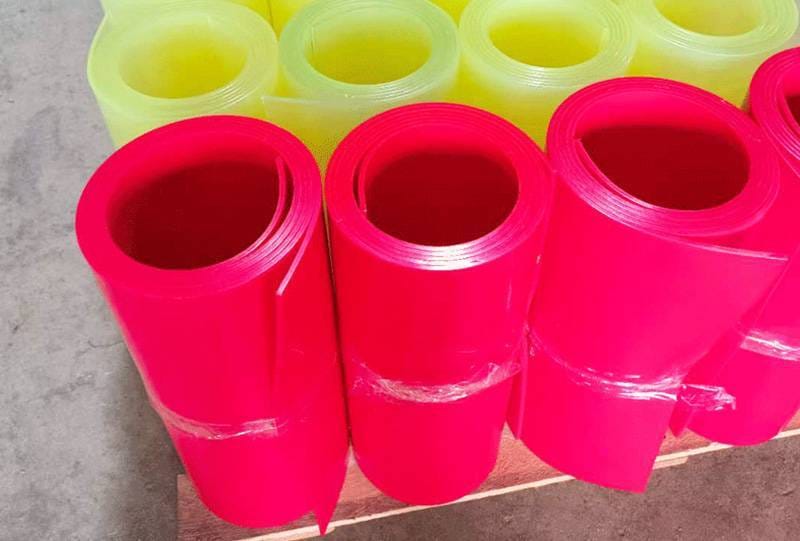
PU (Polyurethane) sheets are versatile plastic sheets made from a polymer called polyurethane, known for its combination of strength, flexibility, and durability. They are created through a chemical reaction between polyols and isocyanates, resulting in a material with various properties depending on the specific formulation. PU sheets are widely used in construction, manufacturing, and other industries due to their unique
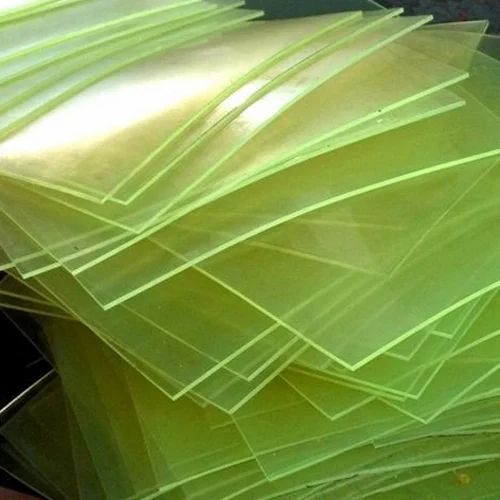
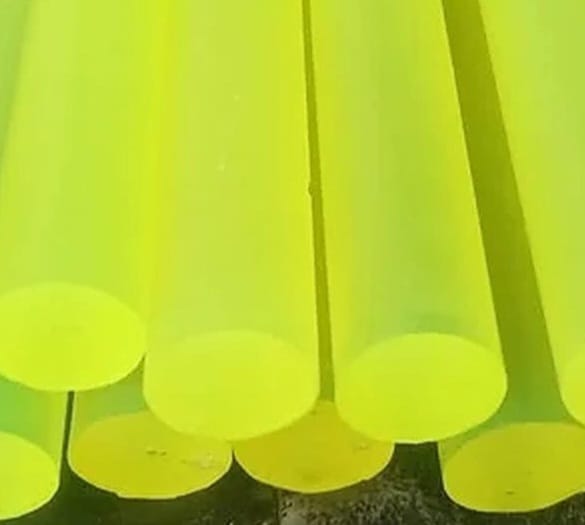
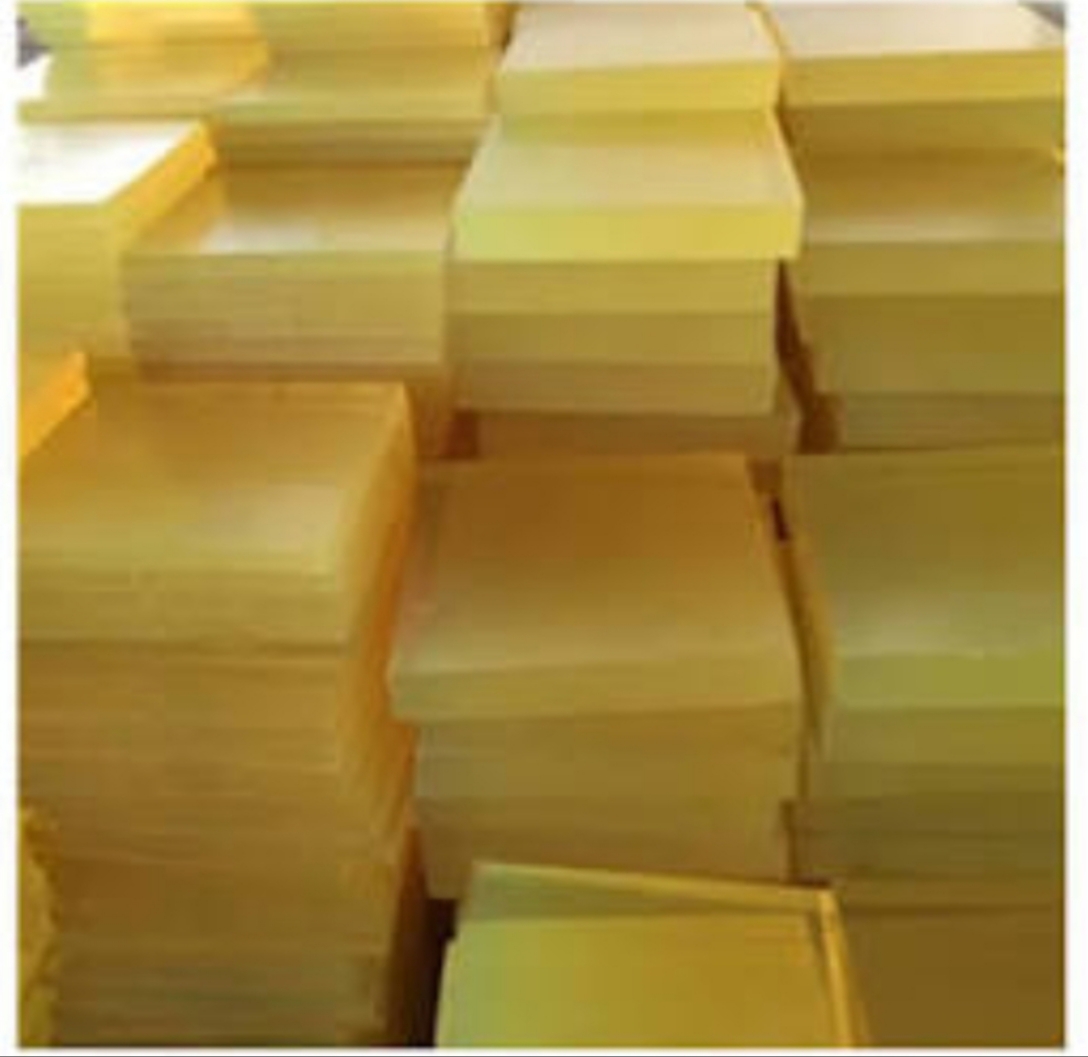
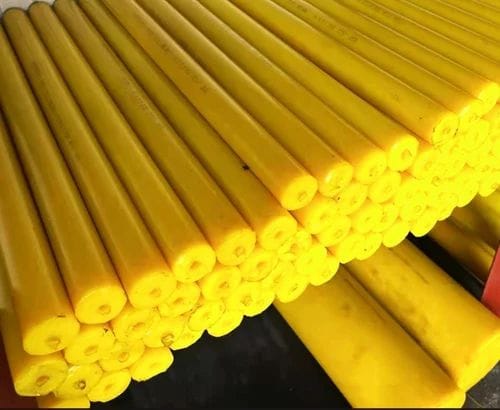
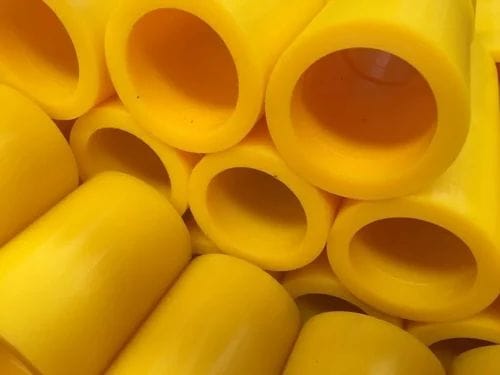
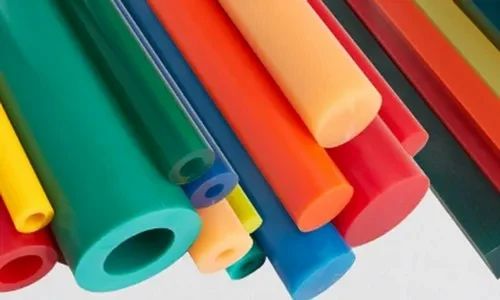
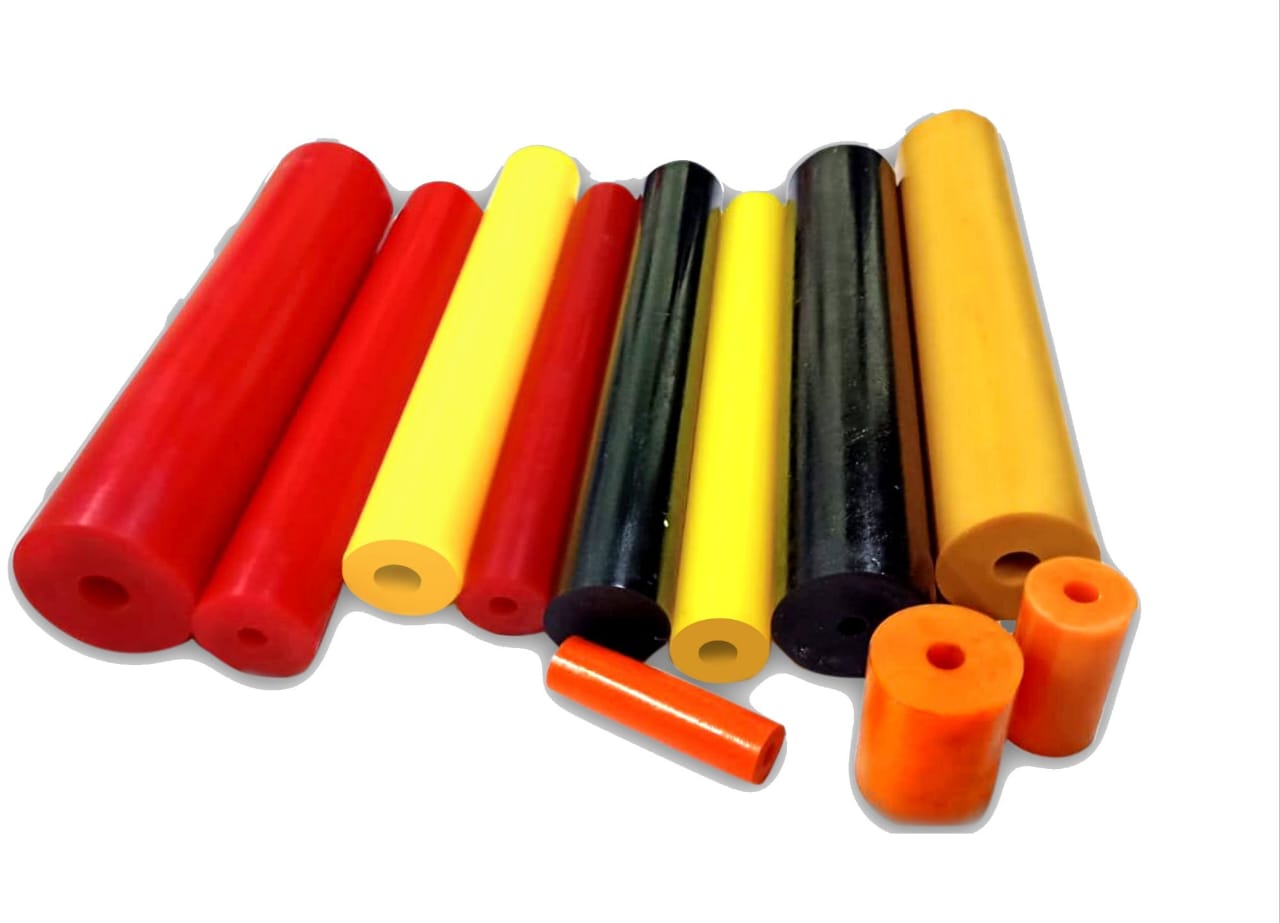
One of the key advantages of PU sheets is their long service life even under high-stress, dynamic loading conditions. They are commonly used in industries like automotive, mining, construction, printing, textile, and material handling, where they serve as linings, pads, gaskets, seals, wear strips, and bumpers. PU sheets can be customized in terms of hardness (from soft and rubbery to hard and rigid), color, and thickness to suit specific application needs. Additionally, they offer good weather resistance, low compression set, and excellent noise and vibration dampening properties. This combination of durability, adaptability, and chemical resistance makes PU sheets a preferred choice for components that demand long-lasting performance and wear protection.
KEY CHARACTERISTICS OF PU SHEETS
1. Lightweight and Strong:
PU sheets offer a favorable strength-to-weight ratio, making them suitable for applications where weight is a concern.
2. Durability and Resistance:
They exhibit excellent resistance to abrasion, impact, corrosion, and some chemicals.
3. Flexibility and Resilience:
PU sheets can be manufactured with varying degrees of flexibility, from soft and flexible to rigid.
4. Temperature Resistance:
They can withstand a wide range of temperatures, making them suitable for various environmental conditions.
5. Insulation Properties:
PU sheets can provide thermal and acoustic insulation.
6. Noise and Vibration Dampening:
Their ability to dampen noise and vibration makes them valuable in applications where these factors are important.
7. Customizability:
PU sheets can be manufactured in various thicknesses, sizes, and colors, allowing for customization based on specific needs.
COMMON APPLICATIONS OF PU SHEETS
1. Construction:
Insulation, roofing, wall panels, and vibration dampening.
2. Manufacturing:
: Linings, scrapers, gaskets, and machined components.
3. Packaging:
Cushioning and protective packaging for various products.
4. Automotive:
Interior components, seals, and vibration dampening.
5. Sports and Recreation:
Protective padding and equipment.
6. Industrial Applications:
Wear-resistant components, seals, and gaskets.
7. Green Roofs and Vertical Gardens:
Semi-open cell PU foams are used as lightweight substrates for plant growth.


